Have you ever wondered what are human rights and why people across the world work so hard to protect them? The answer goes beyond laws and policies. Human rights shape how we treat one another, how communities grow, and how every person deserves to live with dignity.
Yet, understanding what human rights are can feel overwhelming. There are legal terms, international agreements, and social issues that often make the topic seem complicated. The good news is that human rights begin with a simple idea: every person deserves respect, fairness, and equal opportunities.
Whether you are a student, educator, community leader, or someone who wants to better understand today’s world, learning about human rights can help you make informed decisions and contribute positively to society. At Let Them Learn, human rights education encourages learners to connect historical lessons with modern challenges through engaging, discussion-based workshops that place human dignity at the centre of learning.
In this beginner’s guide, you’ll discover what human rights are, explore their meaning, learn about the different types of rights, and understand how education helps create respectful, inclusive communities.
Understanding the Human Rights Definition
To answer what are human rights, it helps to begin with the human rights definition.
Human rights are the freedoms and protections every person has simply because they are human. They apply equally to everyone, regardless of age, nationality, race, gender, religion, language, or background. These rights cannot be earned or taken away without due process because they recognise the dignity and value of every individual.
The human rights definition gained global recognition after the adoption of the Universal Declaration of Human Rights (UDHR) by the United Nations in 1948. This landmark document established shared principles that continue to influence laws, education, and public policy around the world.
When people ask what are human rights, they are also asking how societies can create fairness, reduce discrimination, and protect individuals from abuse. Understanding this definition is the first step toward becoming an informed global citizen.
Learn more through Let Them Learn’s Human Rights: An Introduction workshop: https://empoweredhumanrights.com/human-rights-an-introduction/
For additional information, visit the United Nations Human Rights page: https://www.ohchr.org/

Why Human Rights Matter
Understanding what are human rights becomes even more meaningful when we consider their impact on daily life.
The importance of human rights lies in creating societies where people are treated fairly and have opportunities to participate fully in their communities. Human rights protect individuals from discrimination, support freedom of expression, encourage equal access to education, and promote justice.
Without fundamental of human rights, communities often experience inequality, exclusion, and conflict. Respecting rights helps build trust between people, encourages peaceful dialogue, and strengthens democratic values.
The importance of human rights also extends to future generations. Teaching young people about dignity, empathy, and shared responsibility helps create respectful communities that value diversity rather than fear it.
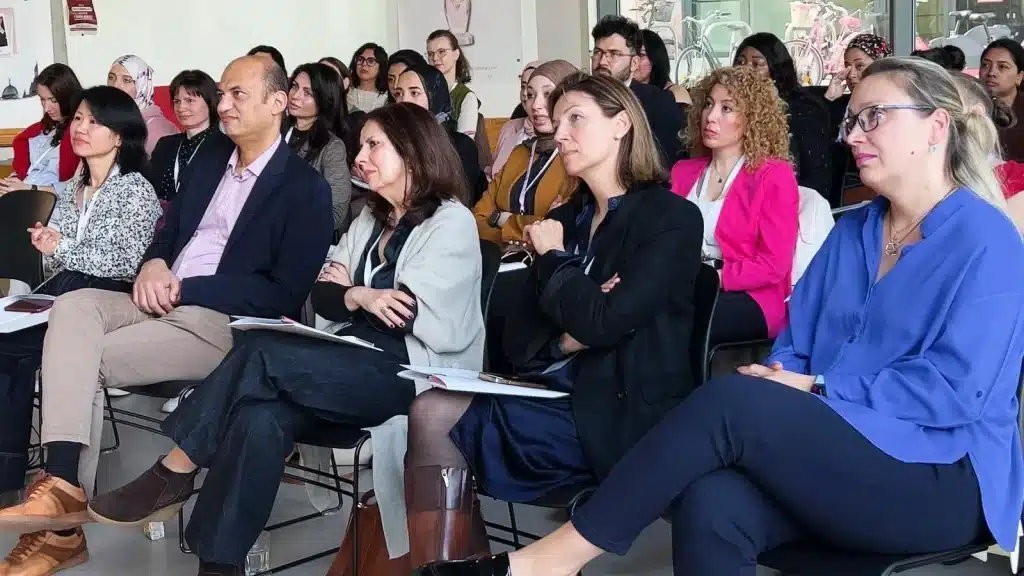
At Let Them Learn, participants explore how historical events, international law, and present-day issues connect to everyday experiences, making these concepts practical rather than abstract.
Types of Human Rights
Once you understand what are human rights, it’s useful to explore the different categories that protect people throughout life.
Although rights often overlap, they are generally grouped into several key areas:
- Civil and political rights protect freedoms such as voting, freedom of speech, privacy, and equal treatment under the law.
- Economic rights support fair working conditions and opportunities to earn a livelihood.
- Social rights include access to education, healthcare, and social protection.
- Cultural rights recognise the freedom to practise traditions, language, and cultural identity.
- Environmental rights increasingly recognise that healthy environments contribute to human dignity and well-being.
Together, these basic human rights form a framework that helps individuals live safely, participate in society, and pursue their goals.
These are also considered universal human rights because they belong to everyone, everywhere. While countries may implement them differently, the underlying principles remain shared across nations.
Examples of Human Rights in Everyday Life
Learning through real situations makes what human rights are easier to understand.
Some common human rights examples include:
- A child attending school without discrimination.
- Individuals expressing their opinions peacefully.
- Equal opportunities regardless of gender or background.
- Protection from violence or unfair treatment.
- Access to healthcare and safe living conditions.
- Respect for cultural identity and religious beliefs.
These human rights examples remind us that rights are not limited to courts or governments. They influence classrooms, workplaces, neighbourhoods, and everyday interactions.
Recognising these basic human rights also helps people identify situations where dignity or equality may be at risk, encouraging informed action rather than silence.
The Role of Human Rights Education
Learning what are human rights is only the beginning. The next step is understanding how those rights apply to everyday life. This is where human rights education plays an essential role.
Effective human rights education goes beyond memorising historical events or legal documents. It encourages learners to think critically, ask thoughtful questions, and understand how respect, dignity, and inclusion influence communities. It also helps people recognise prejudice, misinformation, and discrimination while exploring practical ways to respond with empathy and informed action.
At Let Them Learn, workshops connect the history of universal human rights with present-day issues, helping participants explore democracy, civic responsibility, media literacy, and global citizenship through meaningful discussion and reflection. The organisation places human dignity at the centre of every learning experience, making complex topics accessible and relevant.
Whether learners are new to the subject or looking to deepen their understanding, human rights education provides the confidence to engage respectfully with different perspectives while recognising the shared rights that belong to everyone.
Human Rights Programs for Learners
A strong educational program encourages curiosity while providing practical knowledge that learners can apply beyond the classroom.
Let Them Learn offers workshops for students, educator training, and programmes for universities and organisations that explore topics including the foundations of fundamental human rights, environmental justice, civic participation, and the role of human rights defenders. Each session is designed to encourage discussion, critical thinking, and informed participation rather than simply presenting facts.
If you are beginning your journey, the Human Rights: An Introduction workshop is an excellent starting point. It explores the origins of universal human rights, the Universal Declaration of Human Rights, democratic values, and current global issues in a structured and engaging format.
You can also explore:
- Introduction to Human Rights: https://empoweredhumanrights.com/human-rights-an-introduction/
- Workshops for Students: https://empoweredhumanrights.com/empowered-human-rights-for-students/
- Training for Educators: https://empoweredhumanrights.com/empowered-human-rights-for-educators/
Challenges to Human Rights Today
Although significant progress has been made, protecting basic human rights remains an ongoing responsibility.
Around the world, people continue to face challenges such as discrimination, inequality, forced displacement, restrictions on freedom of expression, armed conflict, environmental crises, and barriers to education. These issues remind us that protecting fundamental human rights requires continuous effort from governments, communities, educators, and individuals alike.
Technology also presents new questions about privacy, misinformation, and digital rights. As societies change, conversations about what human rights are continue to evolve while remaining grounded in the principle that every person deserves dignity and respect.
Understanding these challenges allows learners to move beyond awareness and become thoughtful contributors within their own communities.
How You Can Support Human Rights
You do not need to become a lawyer or activist to make a meaningful difference.
Simple actions can help strengthen respect for universal human rights:
- Learn about current human rights issues from trusted sources.
- Listen respectfully to different perspectives.
- Speak against discrimination and exclusion.
- Encourage fairness and inclusion within your community.
- Support educational initiatives that promote dignity and equality.
- Continue expanding your understanding through workshops and discussions.
Every informed conversation contributes to a culture where basic human rights are recognised and respected.
Conclusion
By now, you should have a clearer understanding of what human rights are and why they matter in every community. From exploring the human rights definition to recognising human rights examples in daily life, one message remains consistent: every person deserves dignity, respect, and equal opportunities.
The importance of human rights extends beyond international agreements. They influence how we learn, communicate, make decisions, and build stronger communities together. When people understand their rights and the rights of others, they are better equipped to create positive change through respectful dialogue and informed action.
At Let Them Learn, education is designed to help learners connect history, law, and real-world experiences in meaningful ways. Through engaging workshops for students, educators, universities, and organisations, participants develop a deeper appreciation of fundamental human rights while strengthening critical thinking and civic responsibility.
If you’re ready to continue learning what human rights are, consider joining a Let Them Learn workshop and discover how education can inspire informed, respectful, and confident participation in today’s world.
Take the next step in your human rights journey. Connect with Let Them Learn to explore workshops that encourage critical thinking, deepen understanding, and help build communities where everyone values dignity and respect.